Parchment Prizes
A Closer Look at the Wheels of Justice in Medieval Dublin

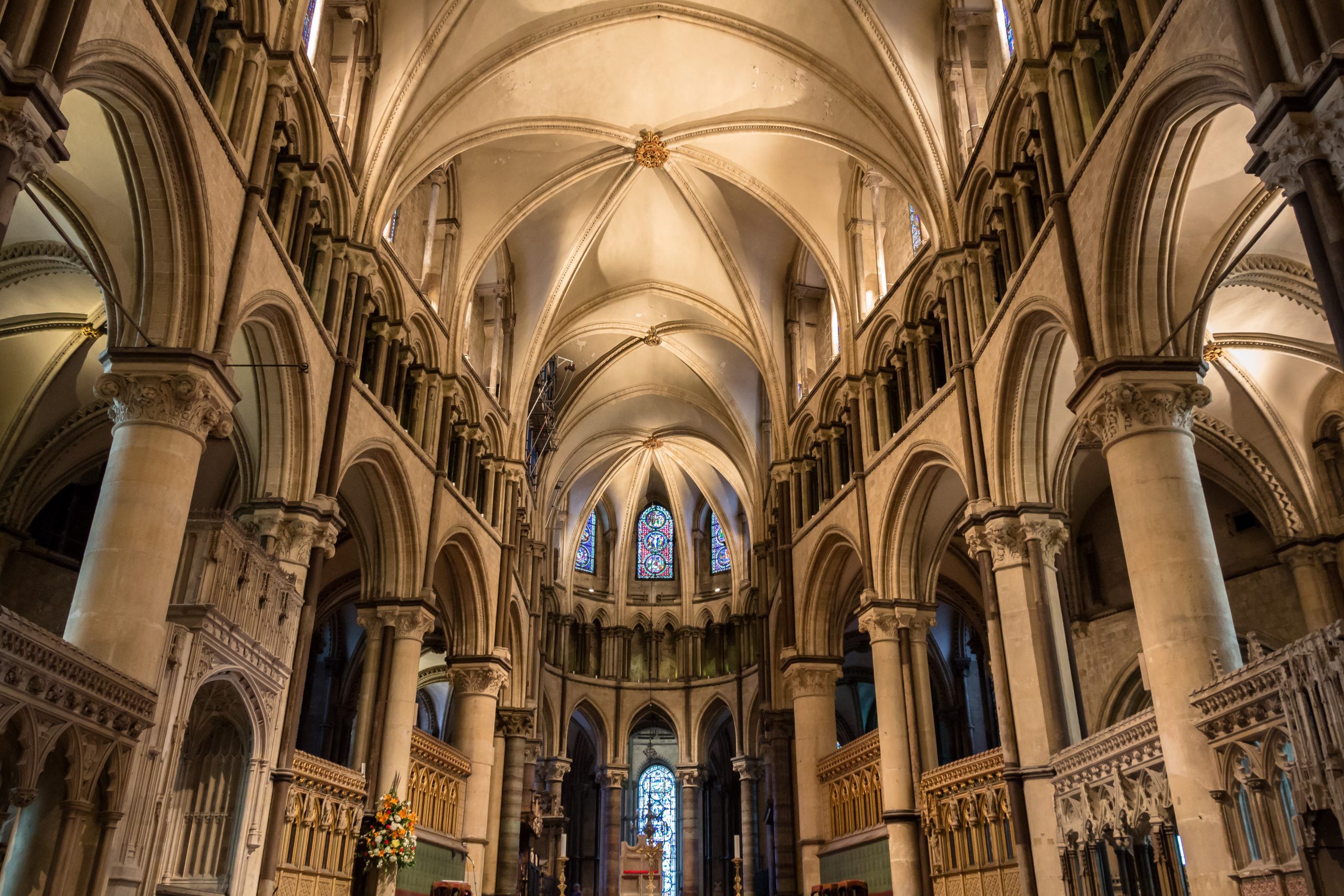
"Moved with grief and astonishment they had lately heard that the Pope proposed to absolve the subjects of the K. from their fealty because the K. resisted the injury done to him regarding the matter of the church of Canterbury... Their Lord is faithful to them; they are his liege subjects; they and their forefathers have been nourished, enriched with wealth and honours, and enfeoffed by the K. and his ancestors; the K. had never offended against the constitution or his subjects; and resisted in regard to the church of Canterbury that he might preserve in their integrity the liberty and dignity which the Crown of England has hitherto enjoyed. With the K. they are prepared to live or die; and to the last they will faithfully and inseperably adhere to the K." [Image: Interior of Canterbury Cathedral.]
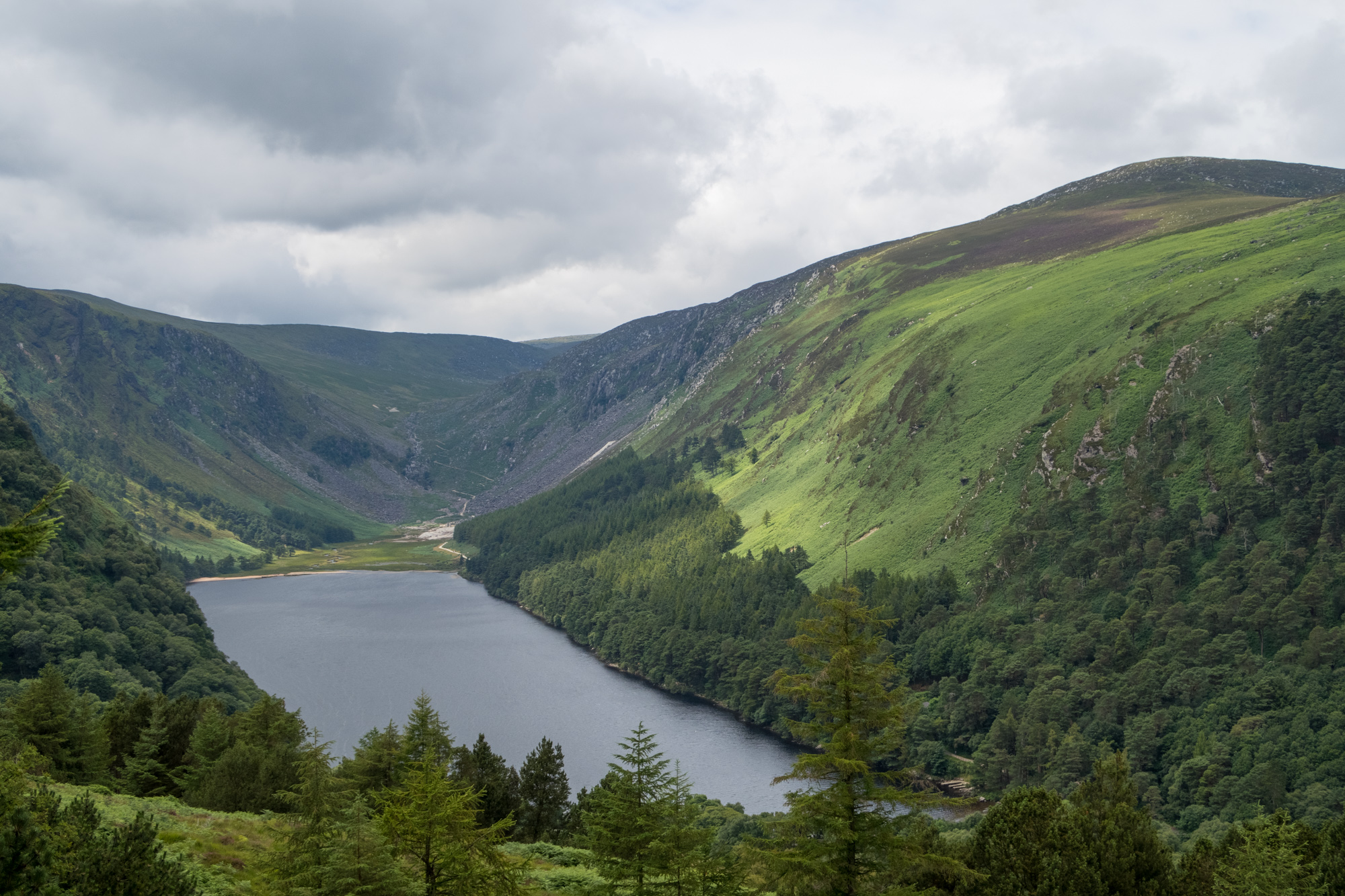
View this item"The case of the Archbishop is this: King John, when the Archbishop went to Rome as the K.'s emissary, aided him in obtaining from the Pope that the see of Glendalough in the K.'s forest, should be united to that of Dublin; and the Archbishop maintains that all the forest therein is the right of his see." [Image: Glendalough, County Wicklow.]
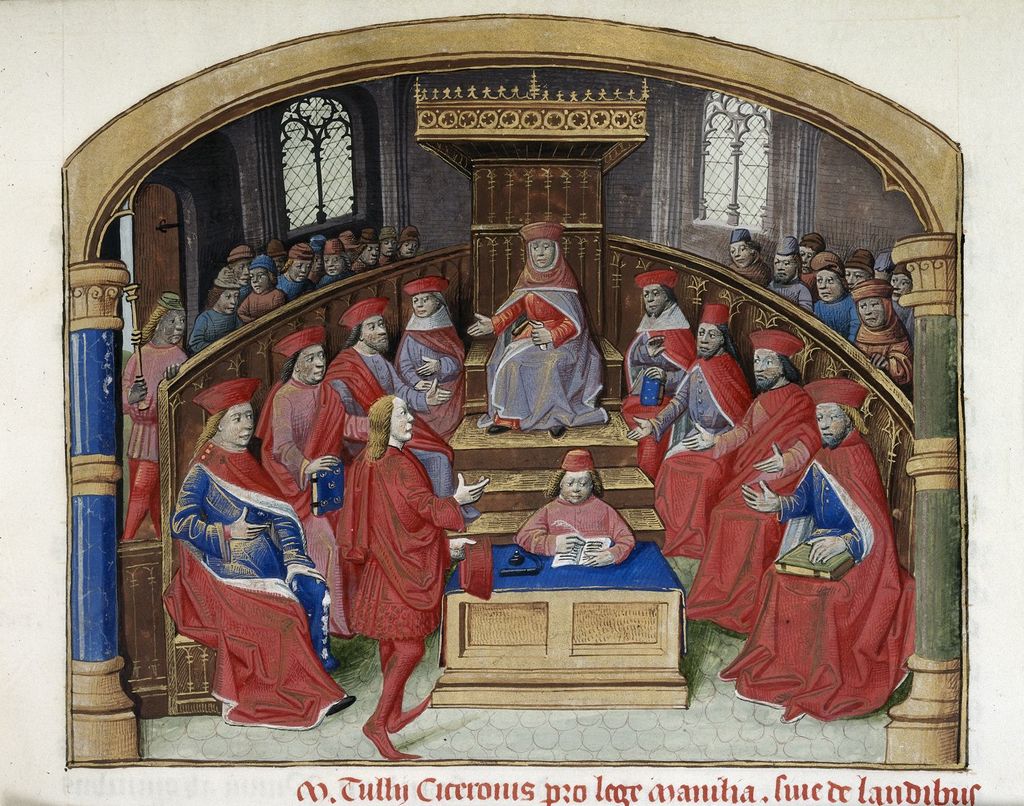
View this item"Two of the Archbishop's men from the mountains violently assaulted a citizen and the wife of another citizen in the marketplace [forum] of Dublin; they were thereupon attached by the provosts; but the Archbishop's bailiffs demanded their discharge, claiming [the privilege of] the Archbishop's court. The citizens thought that this ought not to be, because where an offence is committed, there it ought to be punished; and because neither the Archbishop nor his predecessors had ever deprived the citizens' court of a plea of this kind." [Image: British Library, Harley 2681, f.2.]
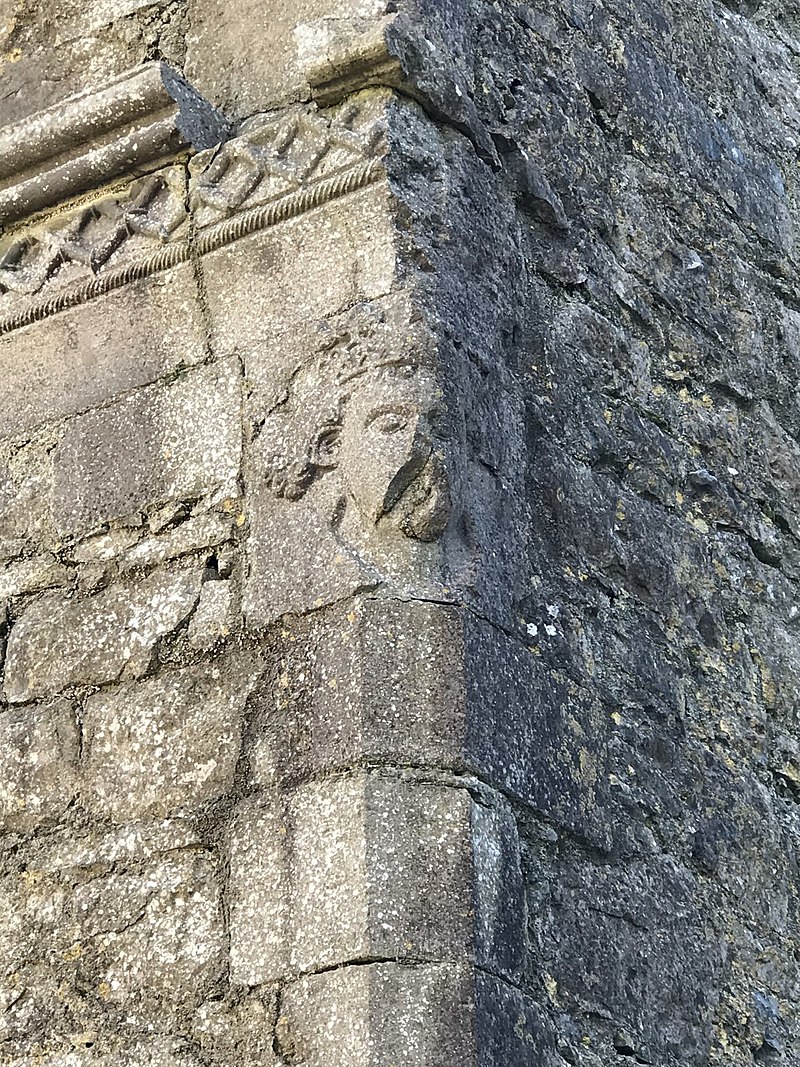
View this item"The K. is thereby provoked to desire that Geoffrey no longer preside over his land of Ireland; and by the common counsel and assent of his magnates and subjects of England ordains and wills that Henry Archbishop of Dublin have the custody and care of that land... Similar letters to Kathel King of Connaught." [Image: Possible depiction of Cathal Crobhdearg Ua Conchobair, Abbeyknockmoy.]
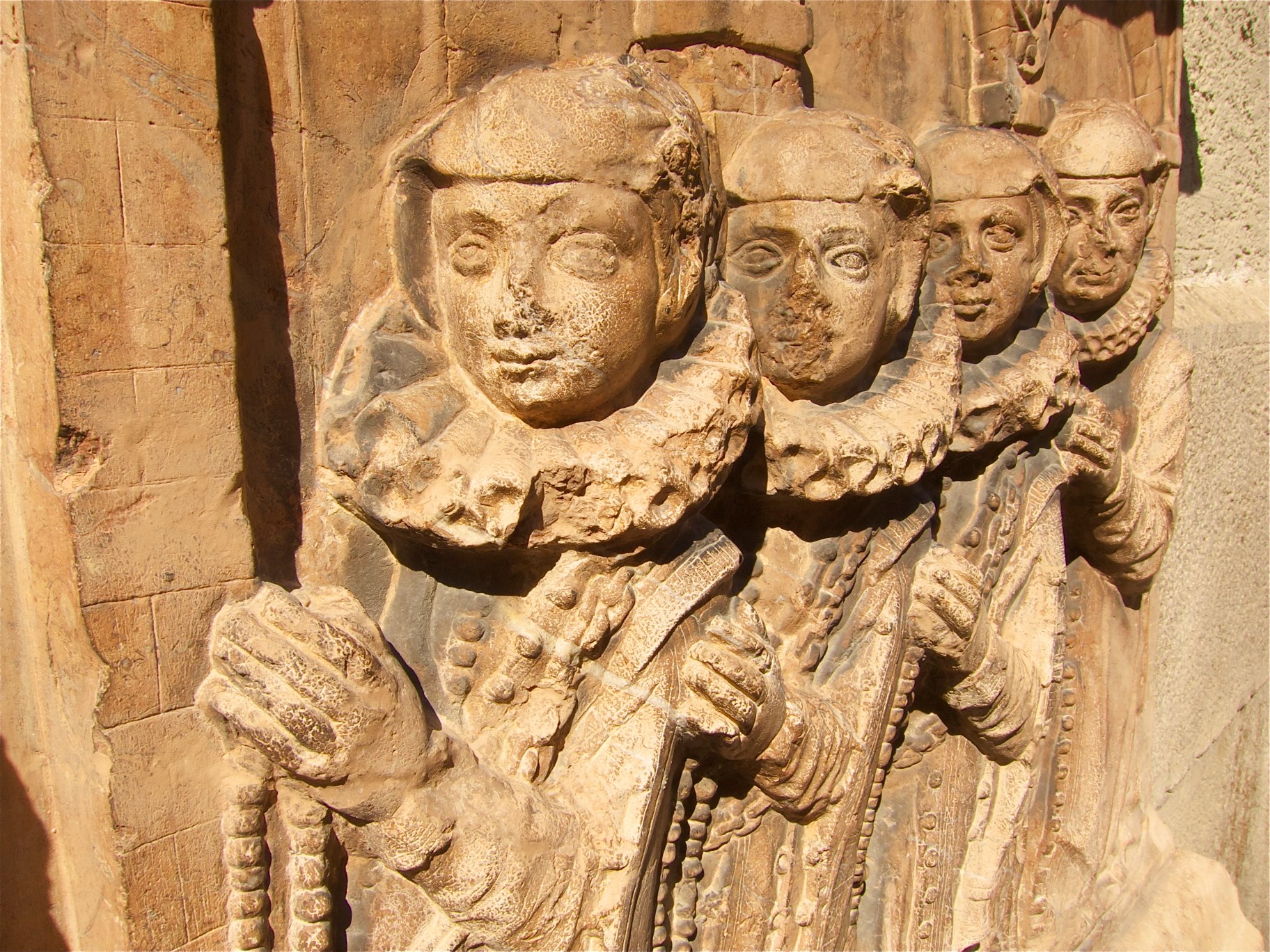
View this item"Knights of the latter from that country had submitted to the K. that when an inheritance in Ireland devolves upon sisters, the justices in Eyre there are uncertain whether after-born sisters ought to hold of the eldest one, and to do homage to her for their portions, or to hold of the chief lord and do homage to him; and had asked the K. to certify what was the usage in England." [Image: Detail of carving at Peterskirche, Munich.]
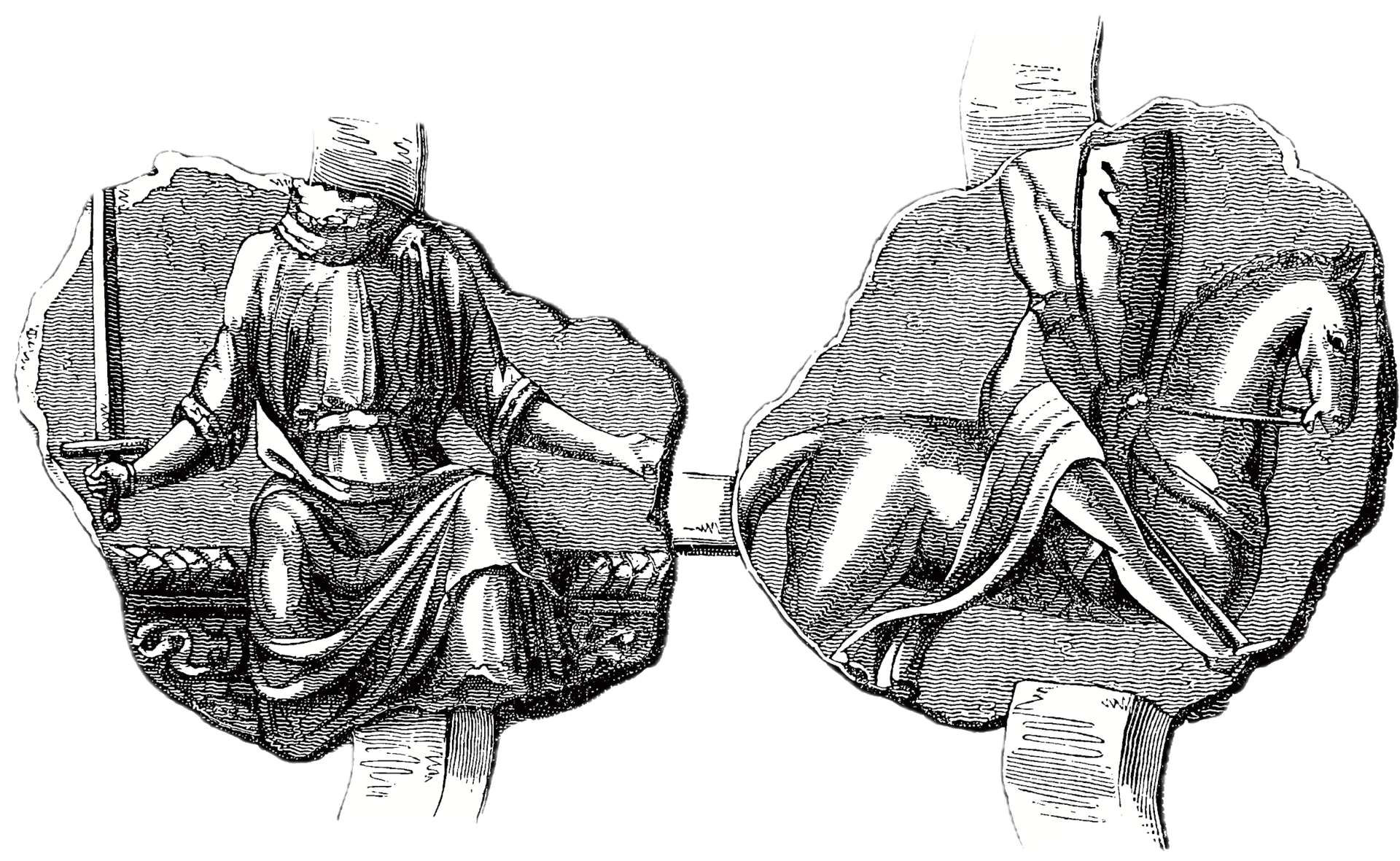
View this item"David, son of Llewellyn, late Prince of North Wales, having broken the treaty of peace with the K., invaded the K.'s land of Wales, killed his subjects, and endeavoured to seduce the Welsh Barons from their allegiance, the K. prays the justiciary, the magnates, and K.'s subjects of Ireland, to join him in revenging such treachery." [Image: An Engraving of Dafydd ap Llywelyn's Double Matrix Seal Affixed to a Letter Patent Concerning Henry III.]
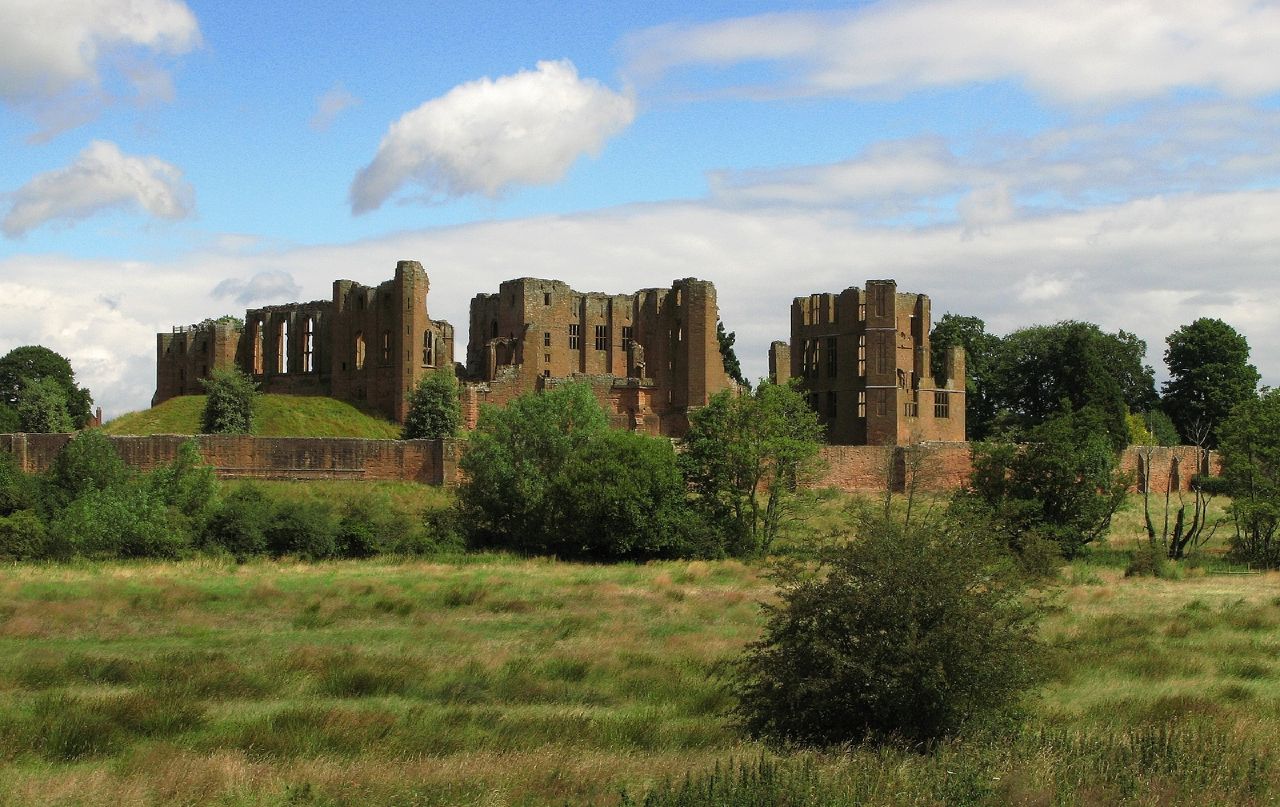
View this item"Mandate to William de Bakepuz, the K.'s escheator in Ireland, to cause Robert Fitz Maurice to have 40 marks for his losses on the K.'s service during the present siege of the castle of Kenilworth. Kenilworth." [Image: Kenilworth Castle, Warwickshire.]
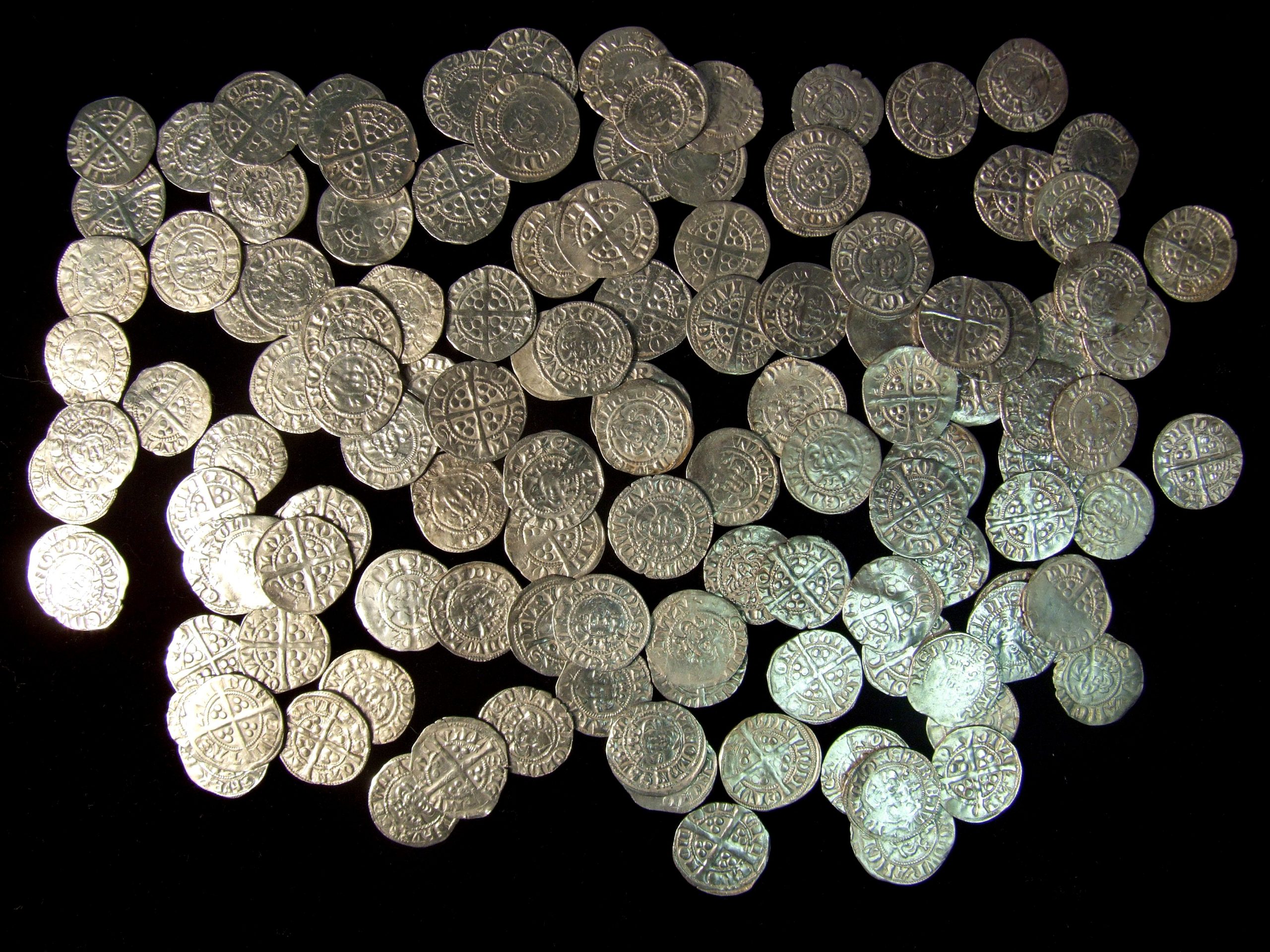
View this item"[Charges against the Bishop of Waterford, justiciary of Ireland.] The justiciary caused the Archbishop of Armagh to be summoned before him at Drogheda, and accused him of usurping vacancies of cathedral churches and abbeys to the K.'s disherison, of appropriating to himself the custodies of the temporalities thereof, and of instituting prelates in the same without obtaining the K.'s licence, as in the churches of Kildare, and Raphoe, and others which the escheator can name; and of holding pleas belonging to the Crown to the K.'s disherison. The justiciary left these excesses unpunished and uncorrected, out of favour to the archbishop, who by simoniacal pravity had unjustly provided the justiciary's brother with the see of Meath....His bishopric is by extent of the escheator worth not more than 40l., and the bishop, before he became Treasurer and justiciary, had no lands or property; as he can now spend, as he himself says, 1,000l., it is plain that this increase was derived from the issues of the offices." [Image: Medieval Coin Hoard of Silver Pennies, issued by Edward I (1272-1307) and Edward II (1307-1327).]
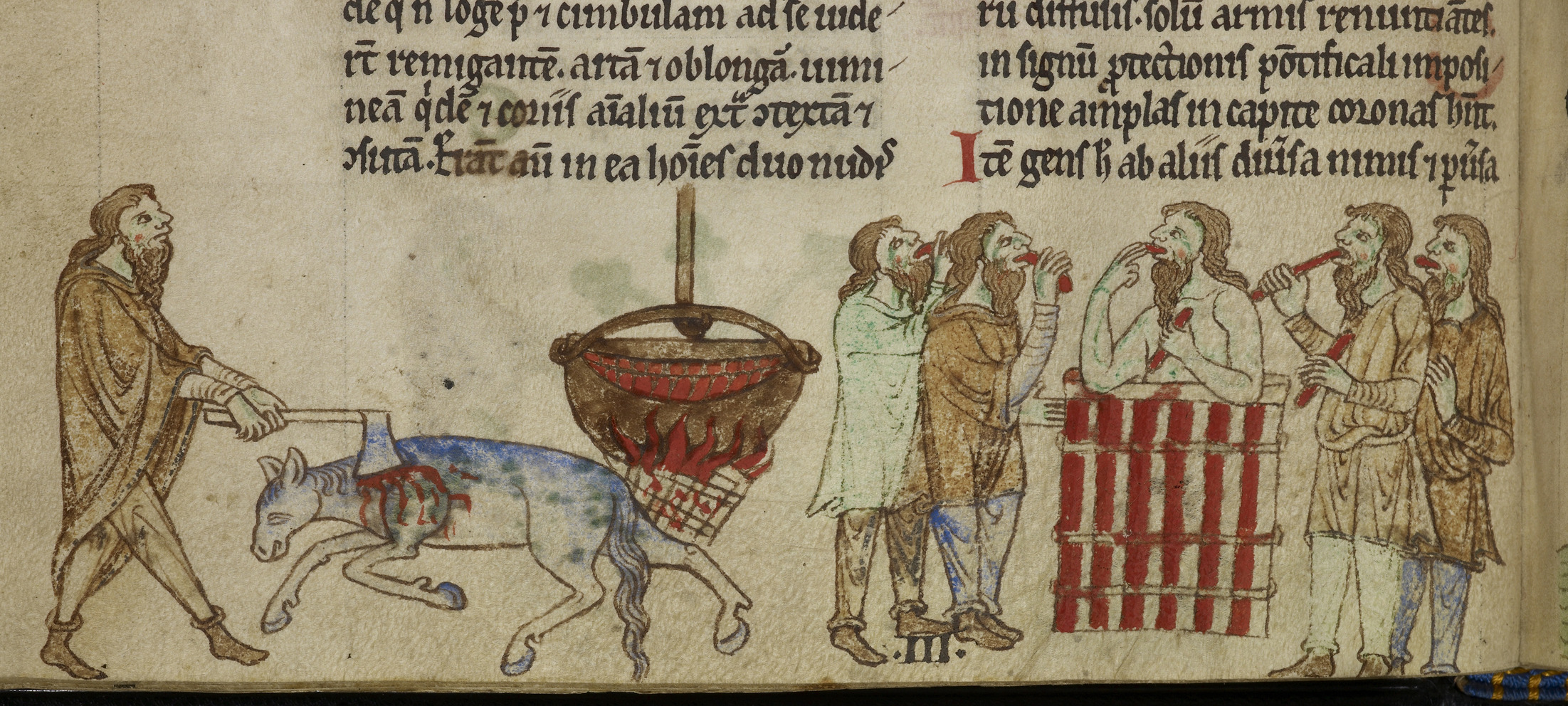
View this item"N[i]cholas Bishop of Kildare to the K. [complaining of certain fanatic religious persons who were exciting disturbances and spreading, in the Irish language, the seeds of rebellion]." [Image: Irish Kingship Ritual, Topographia Hibernica.]
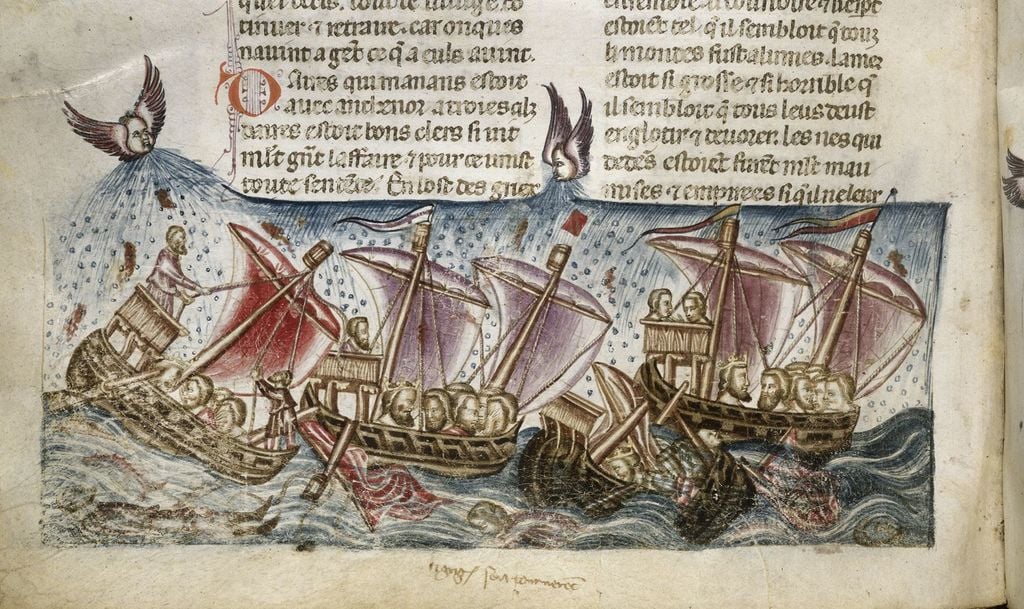
View this item"Grant to Peter de Paris, merchant of Youghal, in Ireland, of a ship called the Roadship, of Dublin, with all its apparel. This ship belonged to the Abbot of St. Mary, near Dublin, and was forfeited to the K. on account of the robberies and transgressions of John le Jevene, monk [conversus] of that house, and custodian and proctor of the abbot for the ship." [Image: British Library, Royal 20 D I, f. 176v.]
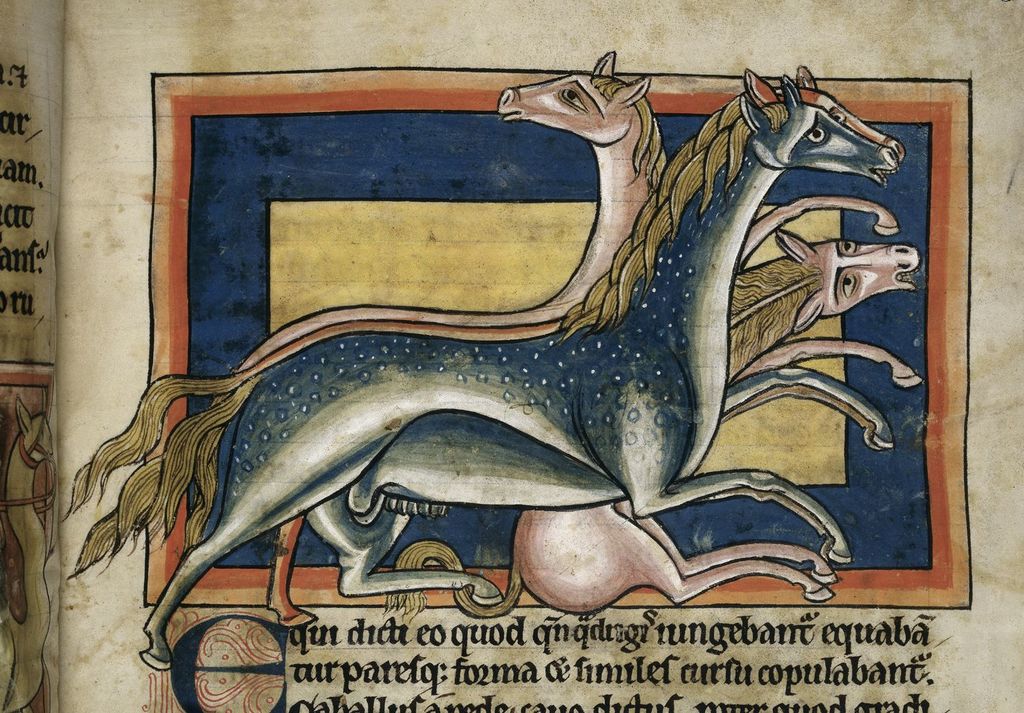
View this item"In the first place the K. wishes to have from Ireland 300 men-at-arms, 400 hoblers, and 2,000 foot soldiers...It is the K.'s will that the men of Ireland arrive in the Isle of Arran in the quinzaine of St. John, for the prince, the K.'s son, who would be at Carlisle by the feast of St. John, had so arranged matters that he will be at Newcastle on Ayr before the coming of the men of Ireland." [Image: British Library, Harley 4751, fol. 27.]
View this item