Invasion Timeline – 1166 to 1172
Curated by NAISC for 2027, European Year of the Normans
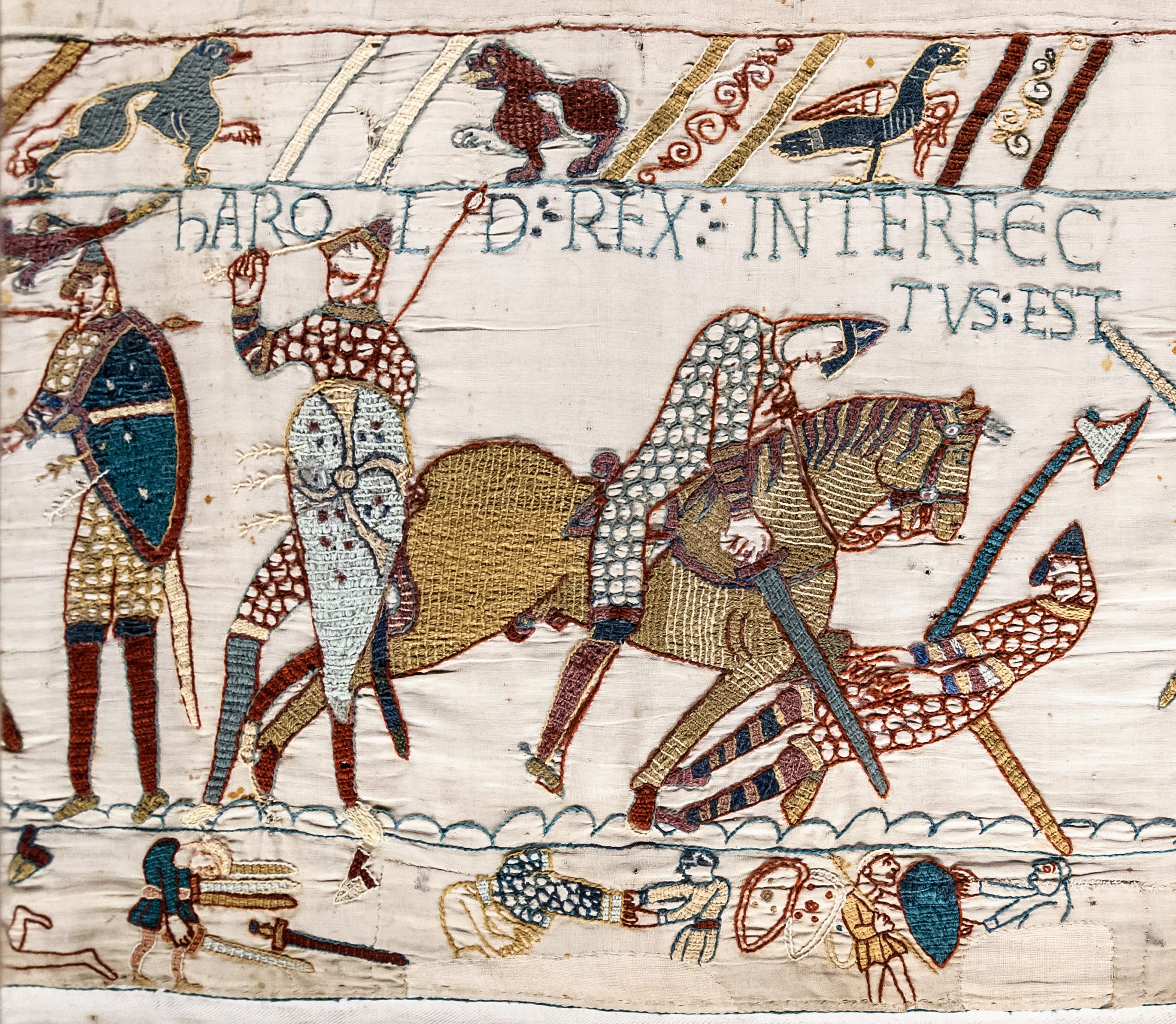
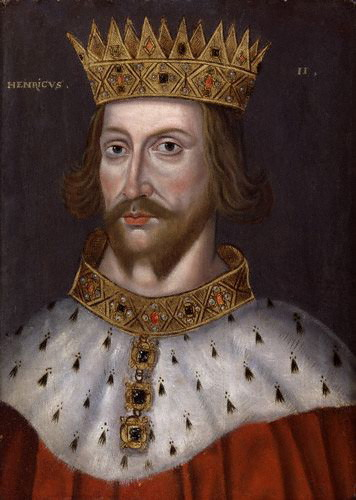
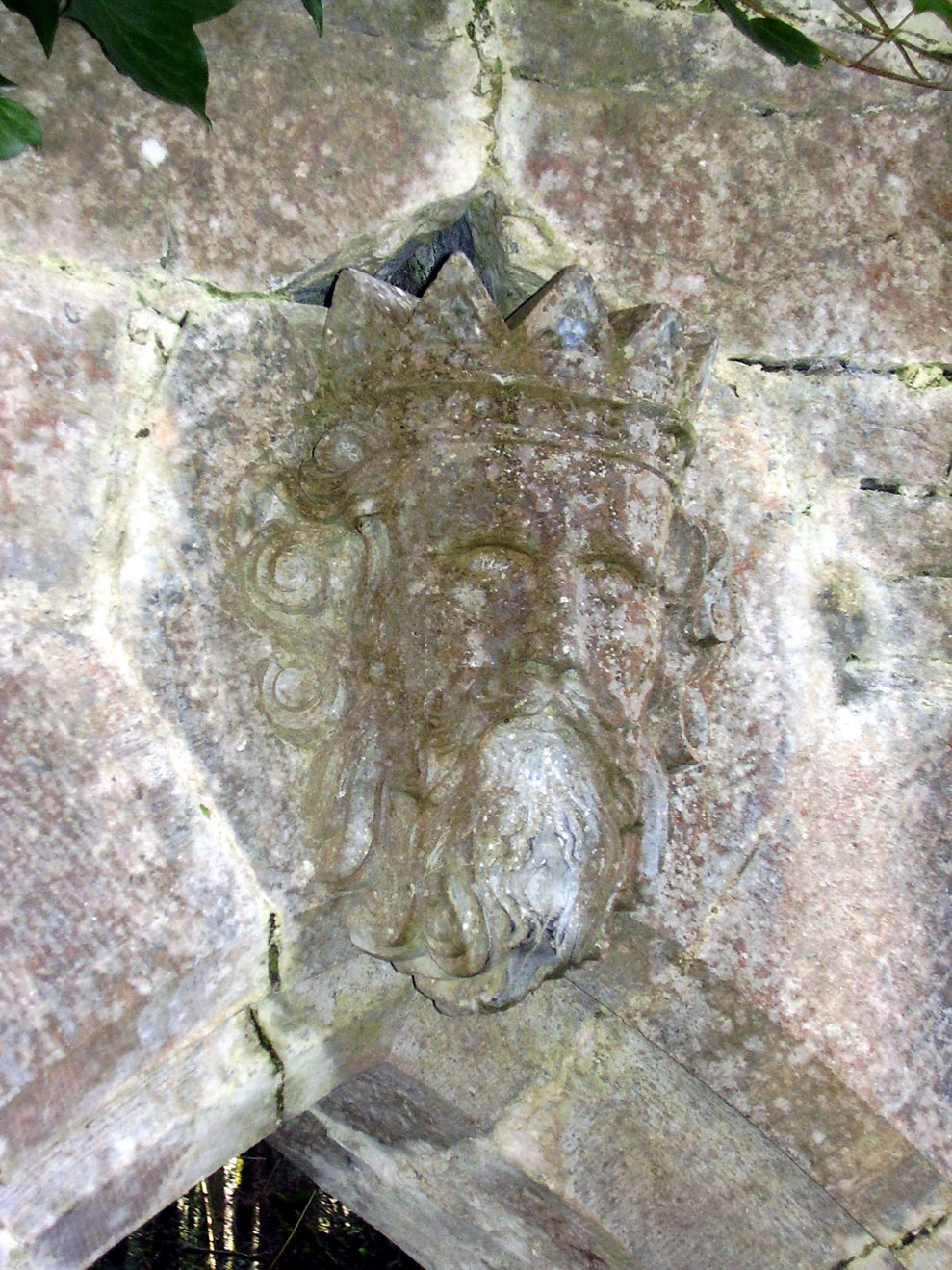
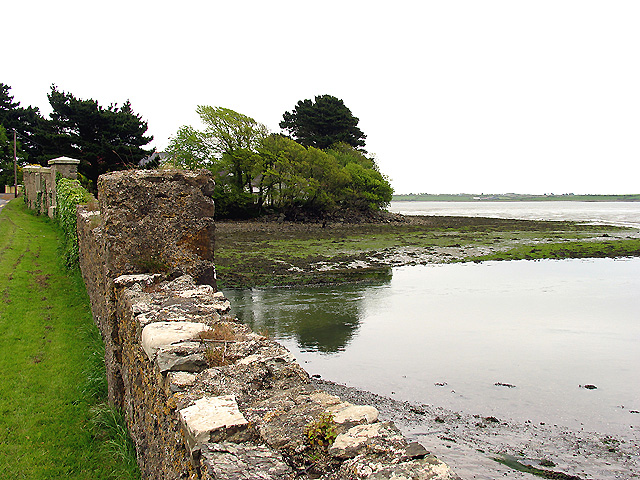
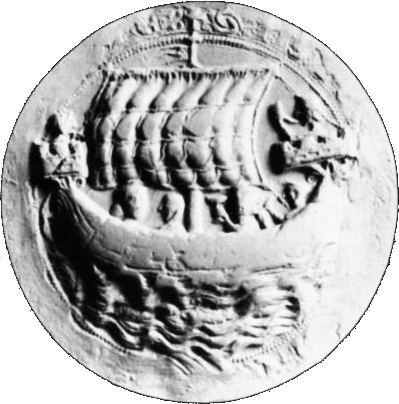
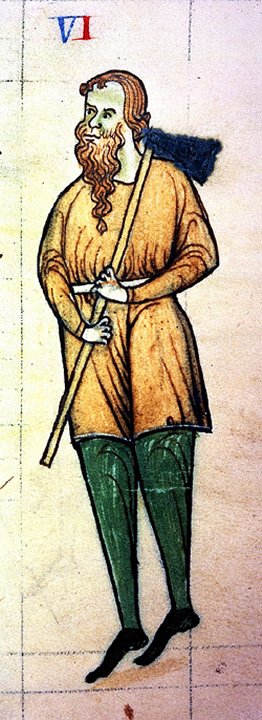
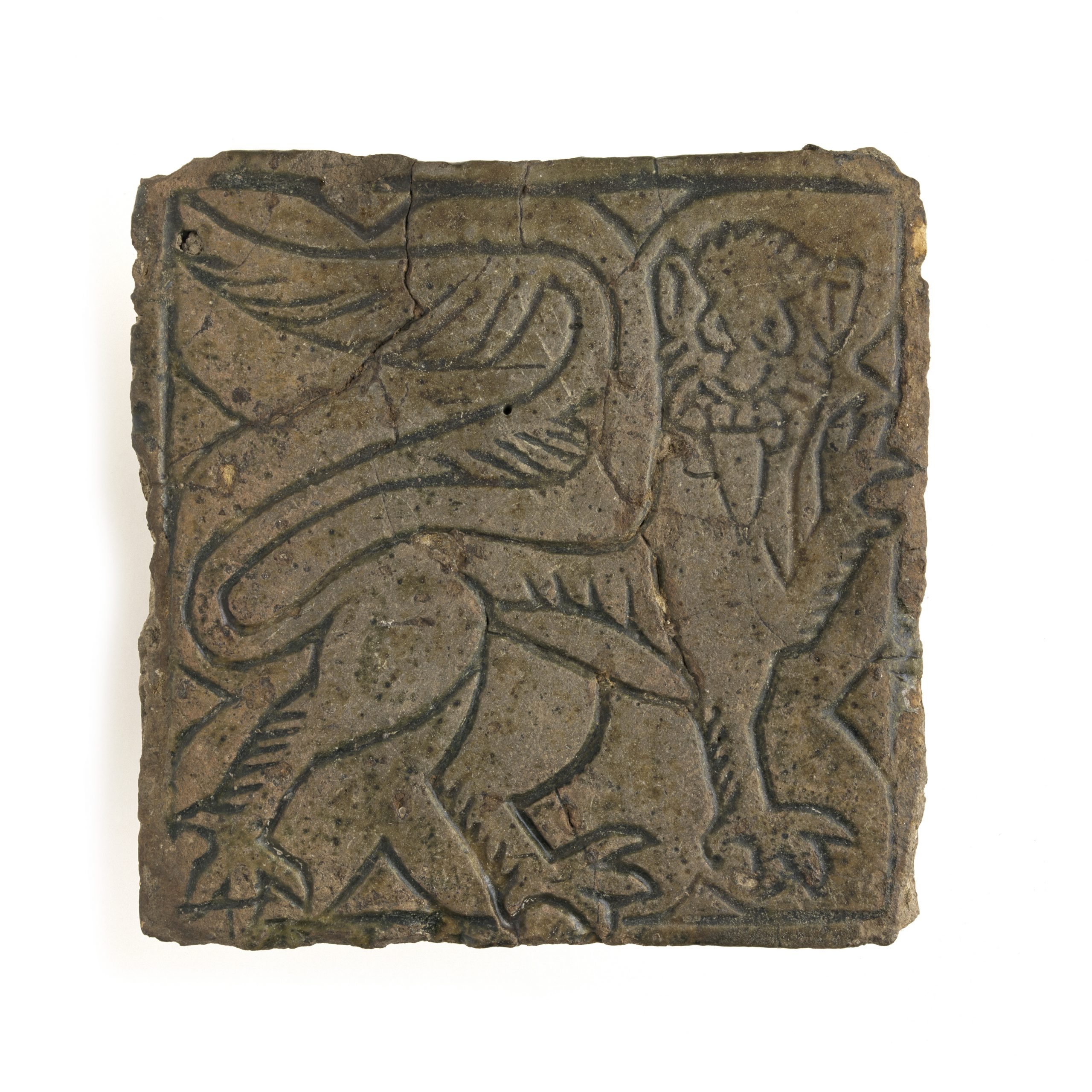
In the mid-1160s there was a major struggle over the high-kingship of Ireland. The victor was Ruaidrí Ua Conchobair, king of Connacht, and among those on the wrong side in the contest was Diarmait Mac Murchada, who was king of Uí Chennselaig (now co. Wexford and part of Carlow) and over-king of Leinster. Diarmait’s territory was invaded by the incoming high-king and his allies, he was abandoned by his own subjects, including the people of Dublin, Ireland’s largest Norse town, and his options were few. He then made a fateful decision: in the late summer of 1166, Diarmait Mac Murchada fled Ireland with his wife and daughter and a small band of followers, making his way first to Bristol and then setting out for an audience with Henry II, king of England. Diarmait found Henry in Aquitaine, swore an oath of fealty to him so that he was now King Henry’s subject, and the English king provided Mac Murchada with letters permitting Henry’s subjects to go to Ireland to his aid. Mac Murchada returned to Bristol and struck up a deal with Richard de Clare, nicknamed Strongbow: the latter would come to Ireland to secure Diarmait’s restoration, marry his daughter, and inherit Mac Murchada’s kingdom of Leinster. The stage was set for invasion.
View this itemDiarmait Mac Murchada travelled to South Wales where he got further offers of support from two half-brothers, Robert fitz Stephan and Maurice fitz Gerald, Norman settlers in South Wales who would go on to play major roles in the conquest that followed (Maurice being founder of the great Geraldine dynasty). Then he returned to Ireland, accompanied by a force of predominantly Flemish settlers from Pembrokeshire led by the fitz Godebert family (who settled in Ireland adopting the surname Roche). Hearing of Diarmait’s return, the high-king Ruaidrí Ua Conchobair amassed an army and marched on Leinster. After some skirmishing, Mac Murchada submitted, handed over hostages as a sign of his good faith, and was allowed to recover Uí Chennselaig, in South Leinster, but not the rest of the province. But Mac Murchada’s ambitions remained alive and so he sent letters to Wales urging on those Normans who had previously offered him support.
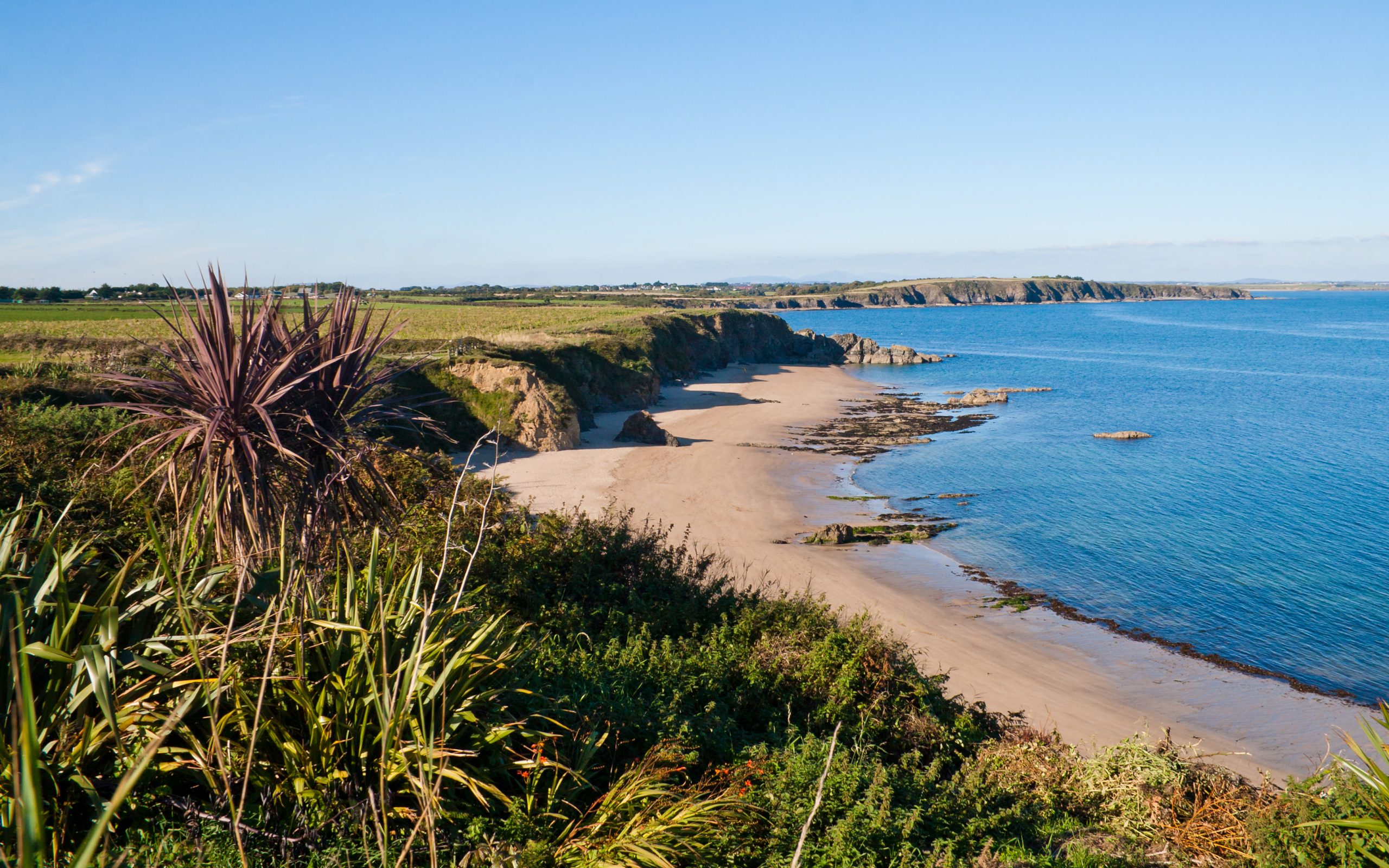
About 1 May 1169, Robert fitz Stephen of Pembrokeshire landed at Bannow Bay, co. Wexford with three ships containing 30 knights (including the brother of Giraldus Cambrensis, Robert de Barry, who founded that famous family in Ireland), along with 60 horsemen in mail, and about 300 Welsh foot archers. Next day, this force was augmented by the arrival of the Pembrokeshire Fleming Maurice de Prendergast (the first of that name in Ireland) and Strongbow’s uncle, Hervey de Montmorency. They rendezvoused with Diarmait Mac Murchada, marched on the town of Wexford, and captured it after a two-day assault. The town and much of what is now south co. Wexford was granted by Diarmait to his new allies, who were therefore not just hired mercenaries: they were being established in Ireland by him, holding vast lands as his military vassals, while he set about recovering the rest of Leinster for himself and expanding beyond it if possible. In all of this, the high-king Ruaidrí Ua Conchobair, with his poorly armed and poorly organised army, could do little. Mac Murchada is said to have secretly promised him that he would send his foreign allies back home when he had retaken all Leinster, but again it seems Diarmait was just buying time.
View this itemThe invasion stepped up a gear about 1 May 1170 when forces under Raymond ‘le Gros’, son of Maurice fitz Gerald’s older brother William de Carew, landed at Baginbun, south of Fethard-on-sea, co. Wexford. Here they threw up earthen ramparts and, word of their arrival having spread, faced an attack by the Hiberno-Norse of Waterford. But again they were victorious ー hence the saying, ‘At the creek of Baginbun, Ireland was lost and won’. They treated the survivors brutally: the seventy who were captured and had their limbs broken (one source says a servant girl called Alice of Abergavenny beheaded 70 of them) and were thrown over the cliff.
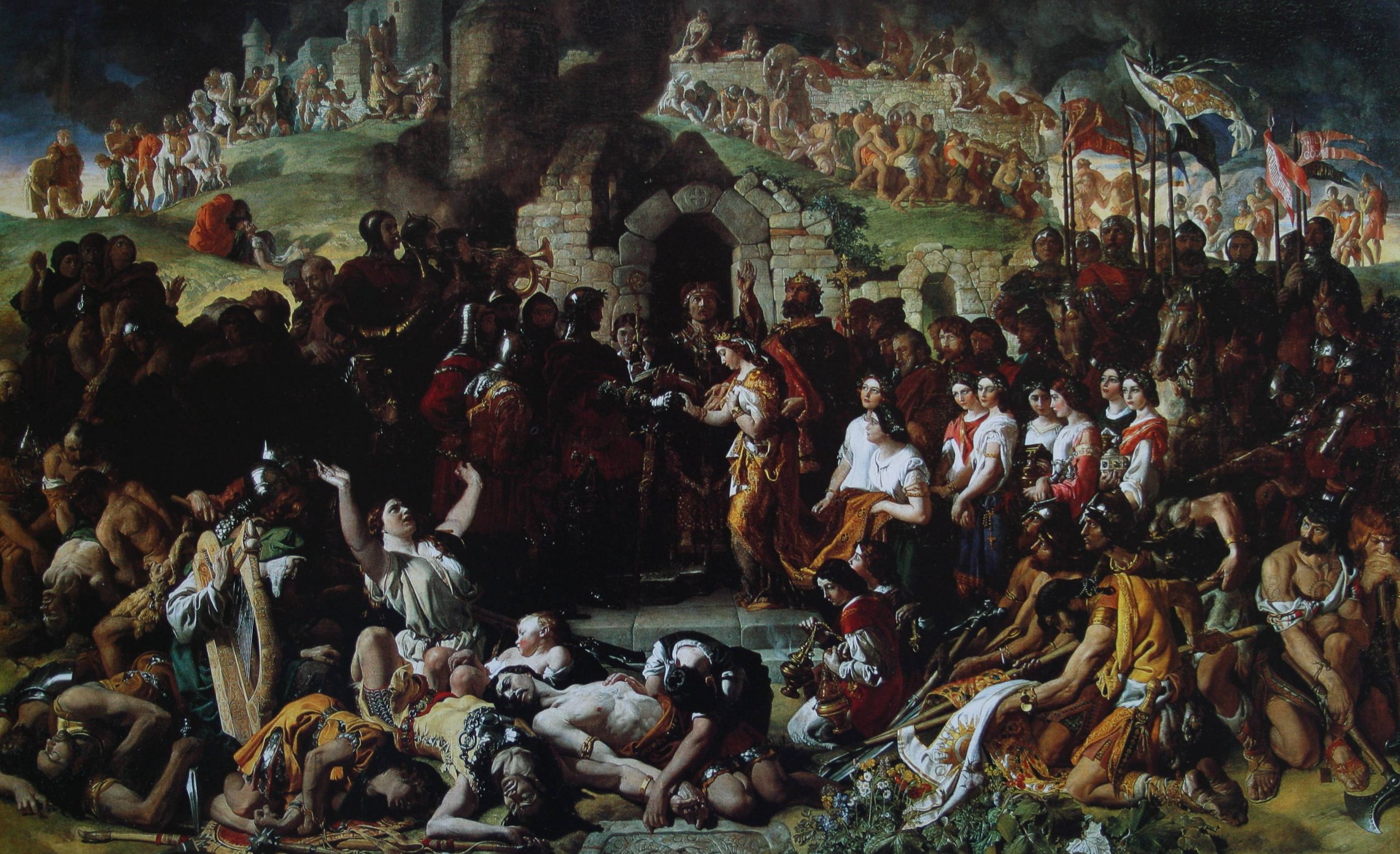
View this itemAround 23 August, Richard fitz Gilbert de Clare (Strongbow), having set sail from Milford Haven, landed at Crook (Passage East) near Waterford. He came at the head of a large force composed of some 200 knights and 1000 other troops. After joining up with the other invaders, on 25 August the army marched on Waterford and took the city, putting many of its inhabitants to the sword. Since Waterford ー second only to Dublin as the dominant power in Ireland’s overseas trade ー is in east Munster, outside Diarmait Mac Murchada’s kingdom of Leinster, it is clear that the invaders were not content with helping restore him to the kingship of Leinster, but had other goals. And it was at Waterford, against the smouldering backdrop of the newly captured city that Strongbow married Aífe, Mac Murchada’s daughter, with the intention of succeeding to the kingdom of Leinster in her right.
With their hold on the south-east of Ireland secure, Diarmait Mac Murchada, his new son-in-law Strongbow, and their impressive combined forces made their way towards Dublin. It was the country’s richest asset, probably the only Irish location well-known abroad, and had been central to the exercise of power in Ireland since the days of Brian Boru: whoever controlled Dublin controlled Ireland. So the high-king Ruaidrí Ua Conchobair naturally sought to prevent it falling into Strongbow’s hands. But on 21 September 1170, during negotiations outside the city, two leaders of Strongbow’s army, Milo de Cogan and Raymond le Gros, led a surprise assault on the walls, gained access to the city, and seem to have slaughtered the inhabitants. Those not killed, including the Hiberno-Norse king of Dublin, Ascall Mac Turcaill, made it to their boats and escaped to the Isle of Man and the Hebrides. Ascall attempted to recover Dublin in the following year and Ruaidrí Ua Conchobair unsuccessfully laid it under a siege, but Dublin was now a conquered city, from which there was to be no return.
View this itemBut the real turning point in the conquest came in the spring of 1171 when Diarmait Mac Murchada died. What would happen to the kingdom of Leinster? Strongbow claimed to be Diarmait’s heir and, in the words of one English chronicler, he was already acting ‘virtually as a king’. But he was a subject of the king of England, Henry II ー an extraordinarily ambitious, even imperialist, king ー who would never tolerate a man like Strongbow, whom he held in utmost distrust, assume such a status. So Henry imposed a blockade on further movement of men across the Irish Sea and announced plans to go to Ireland himself. Strongbow came to him on the Welsh border and made his peace.
Henry II persevered with his great expedition, proceeded to South Wales and from there, with a fleet of 400 ships, landed at Crook, co. Waterford on 17 October 1171, becoming the first reigning king of England to set foot on Irish soil. On 17 October 1171, Henry II landed with a large army at Crook, Co. Waterford. During his time in Ireland he oversaw the ecclesiastical council of Cashel and secured the submission of many of the Irish kings, celebrating Christmas with them at Dublin. On 17 April 1172, Henry departed from Wexford, landing at Pembroke later that day.Ireland was now a colony of England.
View this item