
Parchment Conquest, 1171–1307
150th Anniversary Digital Edition of A Calendar of Documents Relating to Ireland (CDI 2.0). In partnership with The National Archives UK.Introduction
150 years ago Henry Savage Sweetman published the first of five volumes that would become foundational to the study of medieval Ireland. Known as 'CDI' for short, his 'Calendar of Documents Relating to Ireland' contained translated summaries of 8,351 records then in the Public Record Office, London (now The National Archives, UK). His efforts were pioneering and 150 years on, the work remains invaluable. To mark the anniversary of its first publication in 1875, this Gold Seam provides enhanced access to CDI. The text is fully searchable and, where relevant, the dating of documents has been corrected. Each entry is linked to the current reference code in The National Archives UK. Curated by Dr John Marshall (TCD), Dr Paul Dryburgh (The National Archives UK) with Dr Peter Crooks, Dr Eamonn Kenny and Sadhbh Dunne, VRTI (2025).
Read More
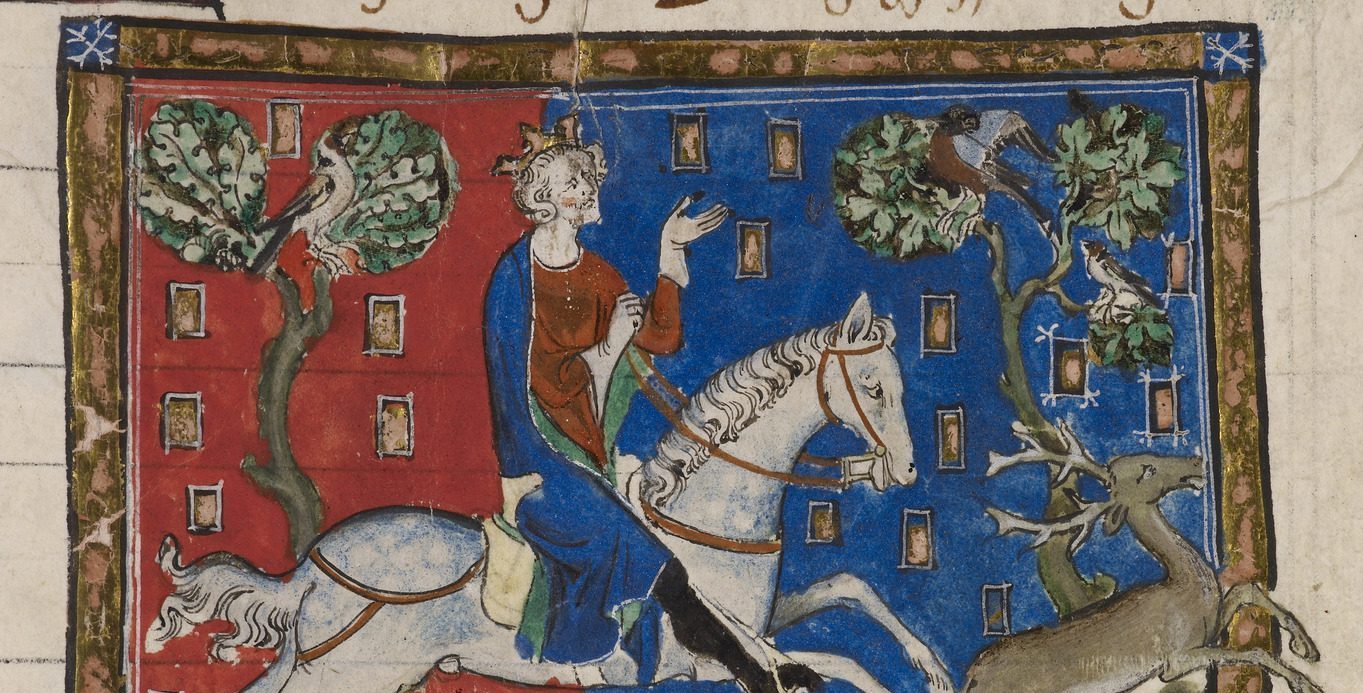
In 1171, King Henry II of England set foot on Irish soil and firmly planted the English flag. From this point until the establishment of Irish independence, a rich array of records concerning Ireland were produced and preserved in England. For the medieval period, these ranged from chancery letters and charters to exchequer records and legal proceedings.
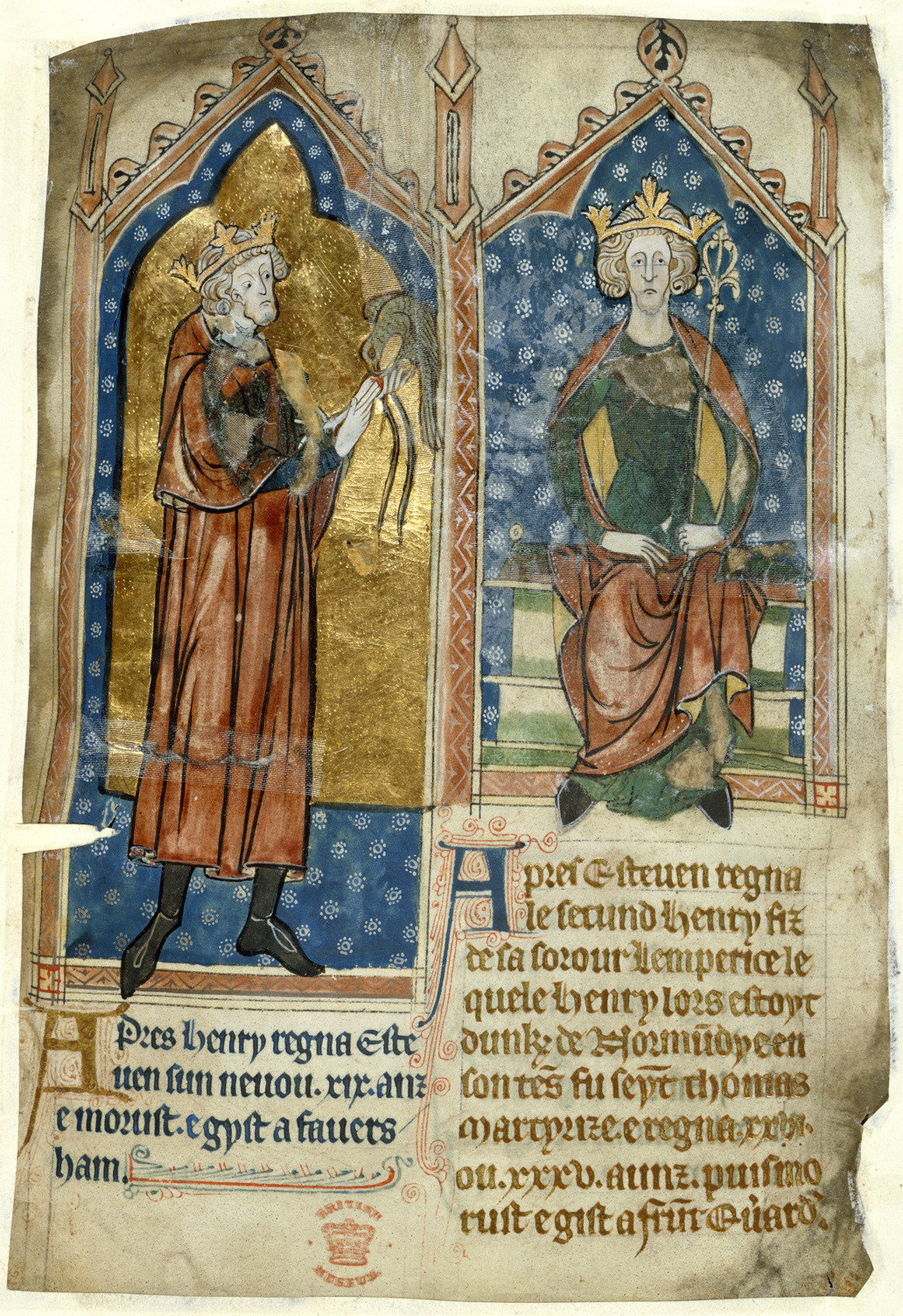
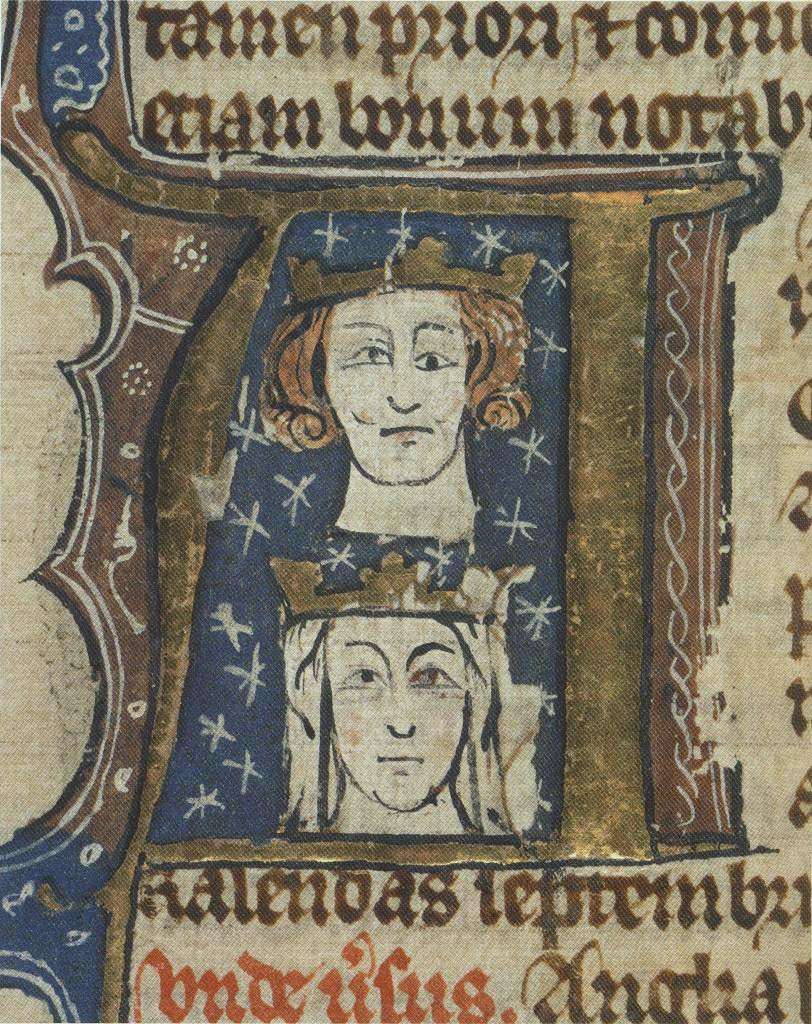
Source: British Library (BL Cotton Vitellius A. XIII, f.4v)
In the late nineteenth century, the Dublin-born barrister Henry Savage Sweetman set out to provide a calendar of these documents. Initially aiming to cover the period from 1171 until the reign of Henry VII (1485–1509), thus dovetailing with the State Papers project – another VRTI Gold Seam, however the intense labour of the task combined with Sweetman’s tragic death meant that his calendar covers 1171 until the end of the reign of Edward I (1272–1307). The final volume, covering 1302-7, had to be completed by G. F. Hadcock of the Public Record Office.
Sweetman’s five volumes contain calendared entries for 8,351 documents, every single one of which provides a rich insight into medieval Ireland. They include charters as the spoils of conquest were formalised in writing, secretive letters sealed closed sent by the king as he sought to counter baronial rebellion in Ireland during the 1220s and 1230s, and scandals of missing revenue. Ultimately, the volume and richness of these records reveal the Irish Sea to have been one of parchment.
In the preface to the first of the five-volume work, Sweetman stated that in his calendar:
'The abstracts have in general been made very full, so as to compromise, it is believed, every thing of importance in the documents’
Though his calendar is invaluable, it should nonetheless not be the last port of call for those interested in these records. Hence, this Gold Seam points users towards the present-day references and published editions of these documents, while also correcting errors present in Sweetman’s calendar and which have been perpetuated through scholarship.
What can I find here?
There are two main aspects to this Gold Seam:
- Present-day references and url codes for the documents calendared by Sweetman in TNA, as well as, where possible, details of where these documents are published in full.
- Editorial corrections made by the research team, which correct errors in Sweetman’s calendar whether these were in the misidentification of records or misdating them.
The Team
- Dr John Marshall, Associate Researcher, TCD
- Dr Paul Dryburgh, Principal Medieval Records Specialist, TNA
- Sadhbh Dunne, Archival Research Assistant, VRTI
- Dr Eamonn Kenny, Senior Software Architect, VRTI
- Dr Peter Crooks, Academic Director, VRTI

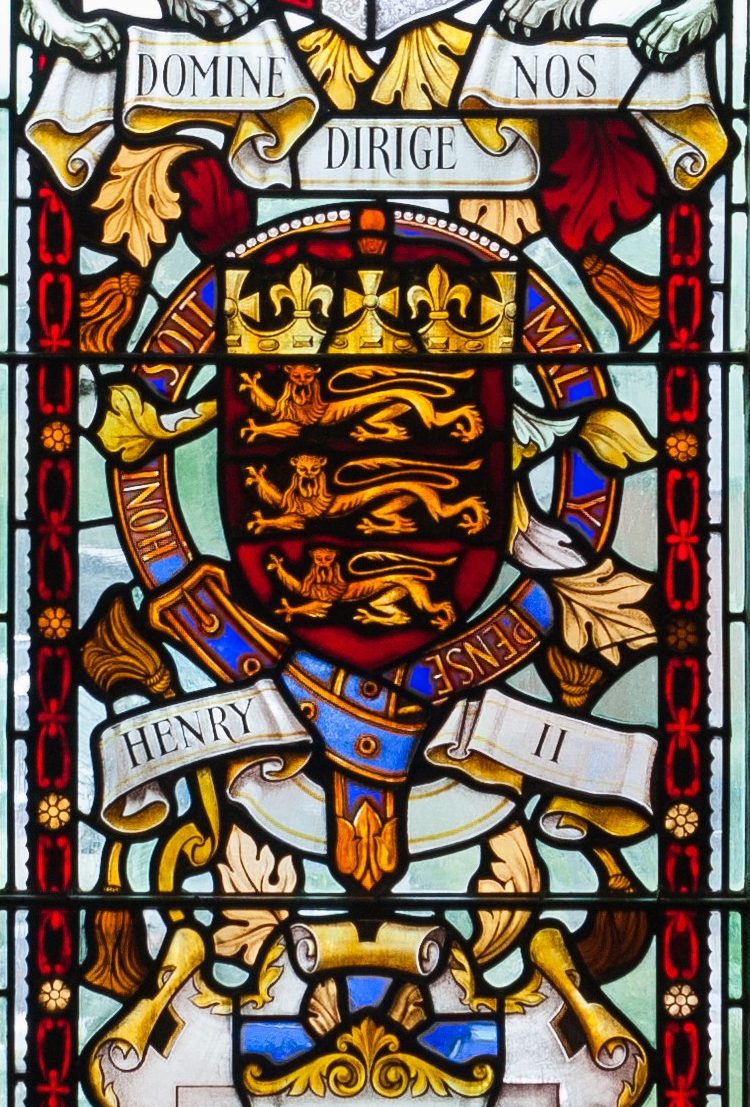
Notable Figures featured throughout the Calendar