June 2026 New Releases
On the 104th anniversary of the destruction of the Public Record Office of Ireland, we are delighted to launch over 190,000 replacement records, shared by our amazing partners.
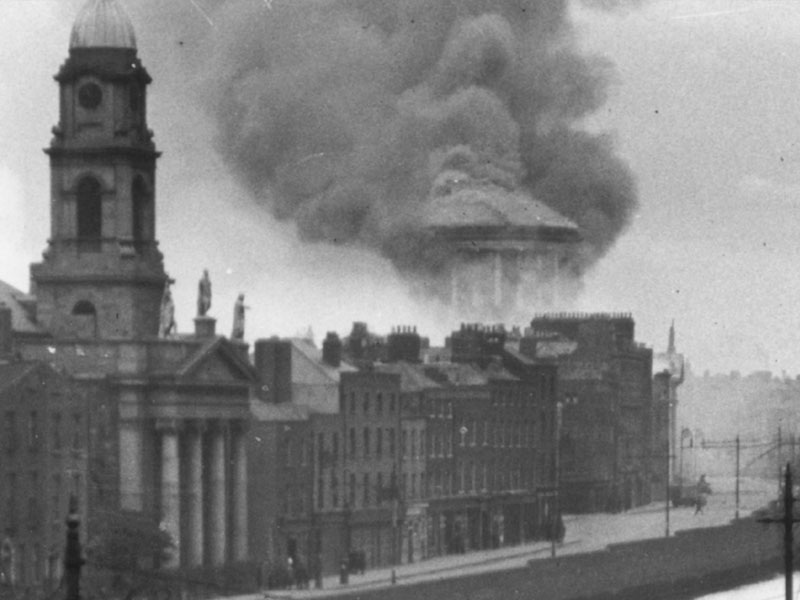
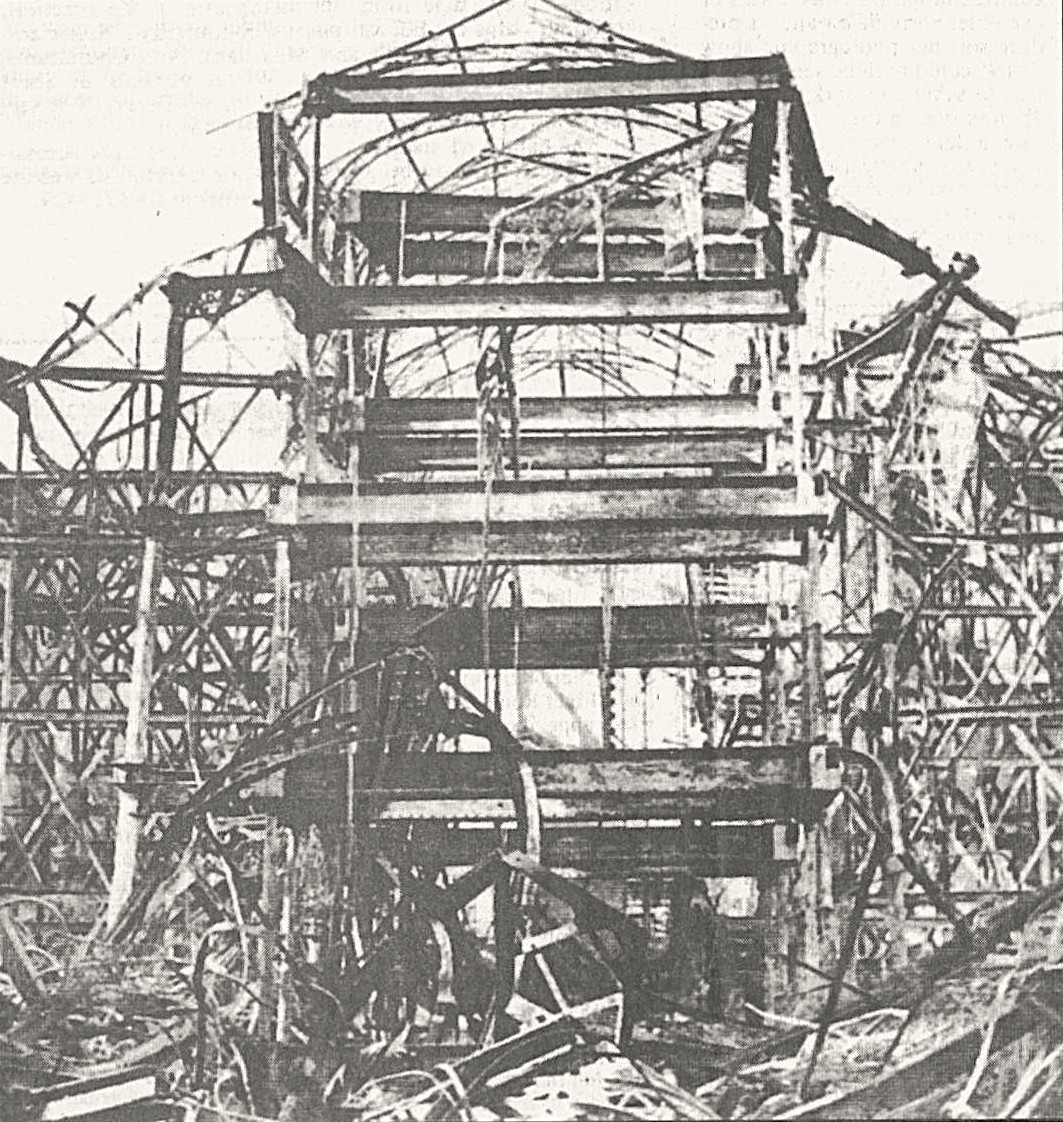
Tuesday, 30 June 2026 was the 104th anniversary of the explosion and fire which destroyed the Public Record Office of Ireland in 1922, in the opening engagement of the Civil War. To mark the date, 190,000 new historical records are being released online, bringing to over half a million the total number of records freely and permanently available on the Virtual Record Treasury of Ireland.
Available online together for the first time, these give a fascinating insight into seven centuries of Irish history.
Like all the records in the vast and ever-growing Virtual Treasury, these replacement documents — transcripts and copies— were identified in more than 100 partner archives in Ireland and around the world.
On this page, you can:
- Explore new discoveries shared by 100 partner archives and libraries across the island of Ireland and around the globe.
- View some of the 190,000 new historical records added in the last year to the VRTI, telling Ireland’s story: from medieval deeds to Catholic Emancipation in the 19th century.
- Focus on the fascinating new collections curated by VRTI historians.
- Discover our Knowledge Graph, a powerful new tool for identifying people and places, and the links between them, in the records. Now over 15,000 people from Irish history are included in the Knowledge Graph, offering users 3.5 million linked historical facts.
Latest Updates
June 2026 Releases at a glance:
- over 190,000 new records bring to 544,000 the total number of records available in the VRTI and 340 million words of searchable Irish history.
- Enhanced Knowledge Graph of Irish History: Now with over 15,000 entries, including 5,800 more historical individuals added since last June. More than 3,500 people from the early modern period (1550-1700), over 2,300 of these are women and 2,300 people are from the medieval/Norman period.
- Catholic Emancipation, 1825-1829: This curated collection traces the campaign led by Daniel O’Connell and the Catholic Association, through thousands of digital images of letters, petitions, intelligence reports government correspondence.
- States of Independence, 1776-1783: Curated collection reveals the close, and sometimes surprising, connections between Ireland and the American Revolution.
- The Birth of Local History in Ireland: Curated collection gathers together attempts by early modern local history enthusiasts to document the customs, folklore, history and landscape of their localities.
- State Papers Ireland 1660 – 1715: Over 40 more volumes of State Papers and Signet Office records are being released. These have been interconnected with the Knowledge Graph creating a powerful new tool for researching this tumultuous period of Irish history following Cromwell’s death.
- Deeds of the Guild of St Anne, 1237 – 1778: Gold Seam containing 800 stories of the lives of ordinary men and women in Dublin, from arranging a funeral procession in 1345, or leaving bequests for prisoners in Dublin Castle in 1380, to mapping a property on Merchants Quay in 1739.
- Parchment Conquest (1171-1307): In 8,000 printed summaries of records drawn from a Calendar of Documents Relating to Ireland we encounter Italian tax-collectors in Galway, poachers in Dublin, and women seizing land in Cork
- Medieval Irish Exchequer Rolls (1309-10) : A remarkable record, NAI EX 1/1 is one of only two original medieval memoranda rolls of the Irish exchequer to survive in 1922, containing 56 parchment membranes. Beautifully conserved and digitally imaged, these records can be viewed for the first time in over a century.
- Registers of the Archbishops of Armagh (1361-1542): four fascinating volumes which capture the workings of church government, its extensive landholding, legal disputes and clerical discipline, as well as the relationships between English and Gaelic communities in medieval Ireland.
New VRTI Features
Catholic Emancipation, c.1820–1830
Through letters, petitions, intelligence reports, government correspondence, and published editions, the collection traces the campaign led by Daniel O’Connell and the Catholic Association, showing how Emancipation was organised, opposed, watched by the state, and finally conceded in 1829.
As part of this curated collection, and in advance of the forthcoming bicentenary of Catholic Emancipation, the Irish Manuscript Commission has kindly made the full eight-volume set of The Correspondence of Daniel O’Connell available through the VRTI: https://virtualtreasury.ie/item/IMC-1972-DanielOConnell.
The collection features material provided by the National Archives of Ireland, PRONI, the British Library, and the Irish Manuscripts Commission.

States of Independence: Ireland and the American Revolution 250 Years Later
This collection is a new resource created to help people understand how Ireland fits into the story of the American Revolution and the creation of the United States as the 250th Anniversary of American Independence approaches. The sources and historical context offered in this curated collection provide a useful starting point for researchers, students, and anyone interested in making sense of these events in the face of widespread media coverage that often leaves out the true historical story. The collection includes new items such as the letters of Martha McTier and other records already held in the VRTI that reveal close connections between Ireland and the American Revolution.
This collection draws on records shared by the Oireachtas Library, the Library of Congress, Washington D.C., National Archives Ireland, and the Public Record Office of Northern Ireland.

The Birth of Local History in Ireland
This collection explores the exploration of Ireland! Early scholars, antiquarians and natural scientists wanted to learn more about the regions of Ireland away from the main cities. ‘The Birth of Local History’ brings together a fascinating group of records which describe the landscape, people, customs and history of localities across the island of Ireland. Users can join travellers exploring the Irish countryside in the 1600s and 1700s, view sketches of towns and castles, and read descriptions of their own localities. You will find something for every – come explore your own locality!
This new collections draws on records shared by the Armagh Robinson Library, the National Library of Ireland, the L. Brown Maps and Charts Collection, and Trinity College Dublin Library. The digisation was supported by the Royal Irish Academy’s Nowlan Digitisation grant scheme and the research and contextual essays were produced by Dr Eamon Darcy, Maynooth University.

Registers of the Archbishops of Armagh
This curated collection opens up one of the richest surviving sources for medieval Irish history, bringing together the records of successive archbishops whose activities shaped both church and society from the fourteenth to the sixteenth centuries. For the first time, several of these registers—including those of Swayne, Sweteman, Fleming and Prene—have been gathered in one place, making them easier to discover and explore alongside important supporting resources such as published calendars and background material.
At the heart of the collection is the newly conserved and digitised Register of John Swayne, fully interlinked with D. A. Chart’s calendar, to allow users to move seamlessly between the original manuscript and its interpretation. The collection also features conservation stories, image galleries, and contextual material, offering fresh insight into how these records were created, preserved, and used. This curated collection provides a gateway into the complex world of medieval Ireland as recorded in the Armagh Registers.
This work emerges from a collaboration with Sarah Graham, Head of Conservation at the Public Record Office of Northern Ireland, and Dr Lynn Kilgallon, Virtual Record Treasury of Ireland.


Women in Rebellion (Image Gallery)
In association with the National Archives of Ireland. Discover the Virtual Record Treasury of Ireland’s image gallery Women in Rebellion, highlighting women’s voices and experiences during the 1798 Rebellion. Drawing on vivid archival records, the gallery reveals how women appeared in the surviving evidence: as witnesses, informants, suspects, victims, family members, political actors, and participants in the wider revolutionary crisis. It offers a powerful glimpse into the gendered dimensions of rebellion, violence, surveillance, and testimony in late eighteenth-century Ireland.

Deeds of the Guild of St Anne, 1237 – 1778
The deeds of the Guild of St Anne, preserved in the Royal Irish Academy, are a unique and invaluable resource for the history of medieval and early modern Dublin. Ranging from the 13th to the 18th centuries, these original records are among the most significant surviving civic documents of their kind — illuminating the everyday lives of Dubliners and city officials, as well as providing insights into family ties, material possessions, and inheritance customs.
The Deeds of the Guild of St Anne Gold Seam, 1237–1778, is a partnership with the Royal Irish Academy and the Irish Manuscripts Commission.

Parchment Conquest, 1171–1307
To mark the anniversary of its first publication in 1875, the VRTI has made available Henry Savage Sweetman’s Calendar of Documents Relating to Ireland, known as ‘CDI’ for short. The text is fully searchable and, where relevant, the dating of documents has been corrected. Each entry is linked to the current reference code in The National Archives UK.
Sweetman’s five volumes contain calendared entries for 8,351 documents, every single one of which provides a rich insight into medieval Ireland. They include charters as the spoils of conquest were formalised in writing, secretive letters sealed closed sent by the king as he sought to counter baronial rebellion in Ireland during the 1220s and 1230s, and scandals of missing revenue.

British Library Chief Secretary correspondence: William Wyndham Grenville
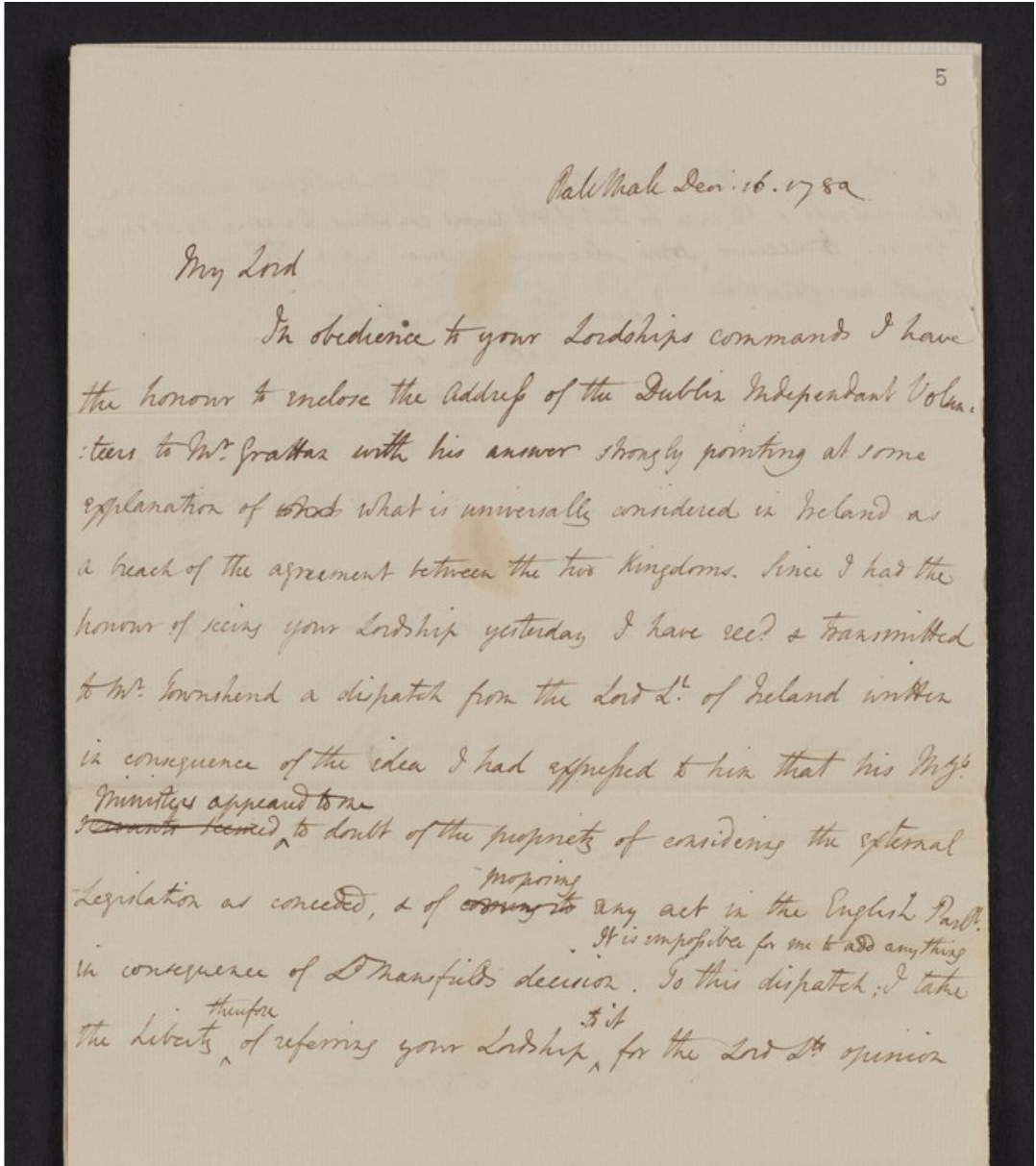
A new volume of Chief Secretary correspondence, kindly digitised and provided by the British Library, has been uploaded to the VRTI. It contains papers of William Wyndham Grenville, who served as Chief Secretary for Ireland in 1782–83, during the final years of the American War of Independence and at the moment when the Irish Parliament sought and gained its own form of legislative independence.
Updated Pages
We have added new content to some of our pages.
State Papers Ireland
As of June 2026, more than 70 volumes of State Papers Ireland are available, covering the years 1660-1715 (SP 63/303-SP 63/373). Alongside SP 63, we have included Signet Office (SO 1) papers. These volumes contain the final drafts (often referred to as”king’s letters”) that were sent to the administration in Dublin and form an essential component in virtually recreating the collection that was destroyed in 1922. Images for approximately 20,000 items will allow researchers digital access to original records. This large-scale expansion of the State Papers Ireland Gold Seam reflects the ongoing generosity of The National Archives UK.
The Knowledge Graph
The VRTI’s Knowledge Graph has several new features:
- Knowledge Graph Explorer: search our growing list of People in Irish history — read their biography and see what records they connect with.
- Knowledge Graph Place Homepage: Use the new dynamic map to explore surviving names from the 1766 Religious Census of Ireland, and see the growing list of names copied from the 1821 Census before it was destroyed.
- Knowledge Graph People (VOICES & NAISC): Discover thousands of newly added individuals, including c. 2,000 early modern women from the VOICES project, revealing women’s lives and experiences, alongside a growing corpus of medieval Irish people contributed by the NAISC project.
- Knowledge Graph Showcase: Browse curated gatherings of people and places in the Knowledge Graph, and discover their connections to records from VRTI. Knowledge Graph ‘showcases’ bring together key research datasets and highlight connections across Irish history.
- Knowledge Graph Events: Explore newly developed “historical events” within the Knowledge Graph — revealing how key moments can connect individuals, places, and surviving archival records.

New Hidden Stories
Several new Hidden Stories have been added by VRTI historians and affiliated researchers. These reimagine voices thought lost to history through new forms of dynamic and creative story-telling. Here is a list you can explore:
- in St Anne’s GuildFinding Women’s Voices in the Rebellion Papers: Testimonies, Petitions, and Letters from 1798
Ongoing Partnerships
The VRTI has also forged strong partnerships with other flagship research projects. Together these pioneering research projects have contributed more than 15,000 historical people to the Knowledge Graph for Irish History. The Graph now offers access to more than 3.5 million historical connections, helping to reveal hidden relationships between people, places, events and records across centuries of Ireland’s past.
VOICES
The ambitious VOICES project, funded by an Advanced European Research Council grant, aims to recover the lived experiences, of ‘ordinary’, non-elite women in early modern Ireland – voices that were up to now largely ignored or underrepresented in Irish history.
Click here to explore this partnership!
Dictionary of Irish Biography
The Dictionary of Irish Biography is one of the flagship research programmes based at the Royal Irish Academy and tells the island’s life story through the biographies of men and women born in Ireland, north and south.

Law versus Practice
Supported by an SFI-IRC (Research Ireland) Pathway Fellowship, Law versus Practice is a ground-breaking interdisciplinary research project that explores the nature and commonality of women’s property-ownership between 1541 and 1800, a period of profound and often turbulent change in Ireland.
Click here to explore this partnership!
Coming Soon: Journey to Europe
Next on the horizon for the VRTI is the commencement of a two-year project entitled ‘Journey to Europe: Archives of the Irish in France’ to be conducted in collaboration with the Embassy of Ireland, France, announced by An Taoiseach Micheál Martin in May. It will focus on records relating to Irish military and political relations from Wolfe Tone to the Irish Legion in the French Army, the Irish Colleges, and the diaspora of Irish merchants in western France. The project will be a legacy of Ireland’s presidency of the EU Council and serve as a model for future archival collaboration with EU partners.
Tips & Tricks: Getting started on the Virtual Treasury
First time to visit the VRTI? Check out our Help Page for useful tips and tricks, mini-videos and a downloadable User Guide.
See our Virtual Treasury Youtube channel for previous talks, seminars and events.